Source Gym Slam Wall Ball for Home, Gym, and Outdoor Fitness
Find 30 gym slam wall ball options from China. Compare PVC models with sand or rubber fill, varying weights from 2kg to 80kg, and custom logo availability for home and commercial fitness applications; compare the available evidence and request quotations based on your requirements.
Key considerations
Products List


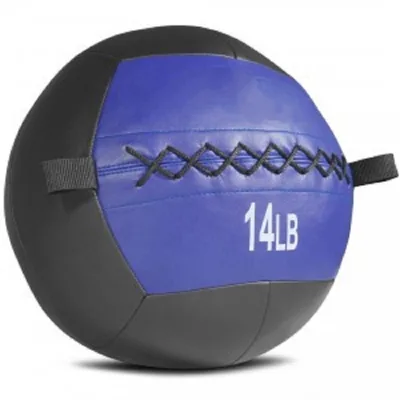
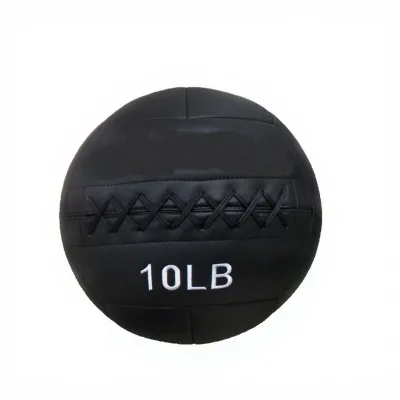
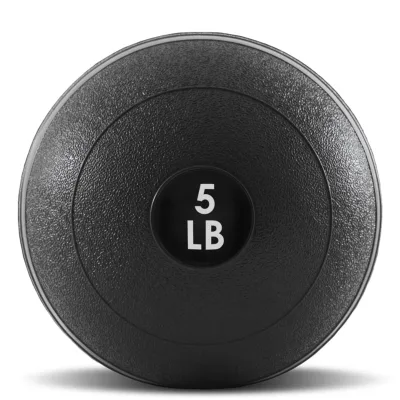
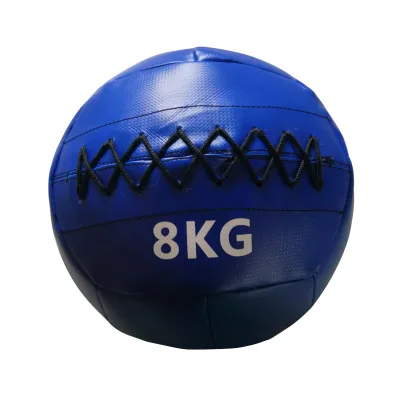
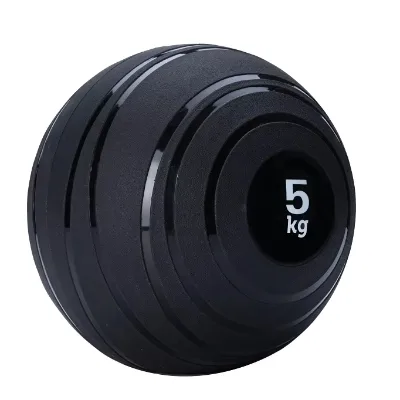
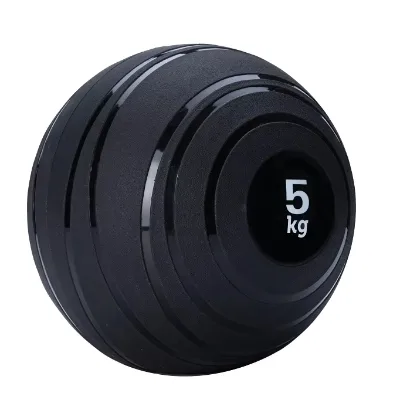
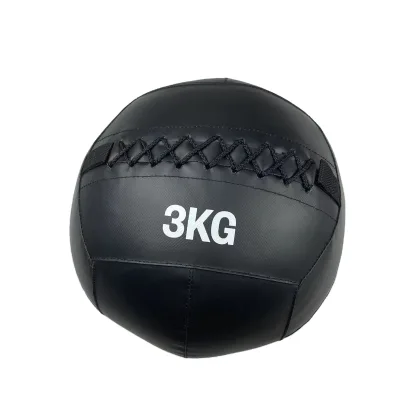
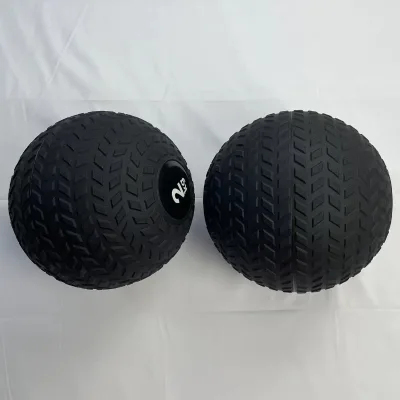
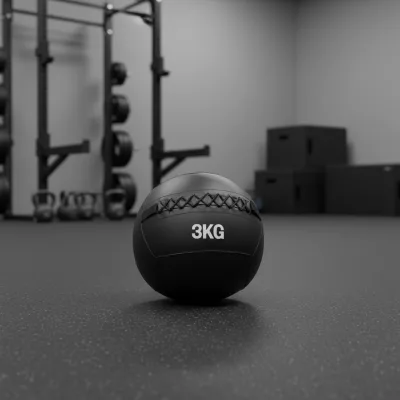
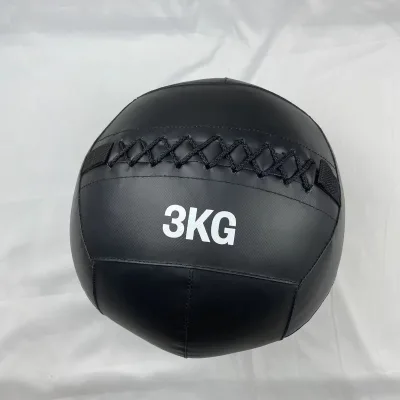


Comprehensive Sourcing Guide
Gym Slam Wall Ball Sourcing Guide
Procuring gym slam wall balls requires distinguishing between general fitness equipment and specialized high-impact tools designed for dynamic training. The observed market data indicates a diverse range of models, from standard medicine balls to heavy-duty slam balls with specific weight capacities. Buyers must carefully evaluate the intended application, as some units are optimized for indoor gymnasium use while others are designed for high-intensity functional training. Understanding these distinctions ensures the selected equipment matches the specific durability and performance needs of the facility.
The supply chain for these items often originates from manufacturing hubs in China, with specific regions like Jiangsu and Shandong noted as key production areas. Listings reveal variations in material composition, including PVC, rubber crumbs, and PP cotton, which directly influence the ball's bounce resistance and longevity. Sourcing decisions should prioritize suppliers who clearly define these material blends, as the internal filling and outer shell construction determine whether the product can withstand repeated impacts against walls or the floor without degrading.
Product Scope and Observed Listing Signals
The current market offers a wide spectrum of product models, ranging from light 2kg units to heavy 80kg variants, catering to different user demographics and training intensities. Observed listings highlight specific model numbers such as BP-GB008 and TMB1017, each associated with distinct weight standards and packing configurations. Buyers should verify that the listed product model aligns with the required weight range, as some suppliers offer customizable options while others provide fixed specifications like 3KG to 15KG or 6-30LB increments.
Packaging and condition details serve as critical signals for logistics planning and inventory management. Most suppliers list products as new and utilize packaging ranging from simple polybags to robust wooden cases and strong brown cartons. The observed data shows that some items are shipped in polybag plus carton combinations, while others require wooden cases for heavy-duty transport. Procurement teams must confirm these packing standards to prevent damage during transit and to ensure the equipment arrives ready for immediate deployment in fitness centers or home gyms.
Technical Specifications to Verify
Material composition is the primary technical factor determining the durability and safety of a slam wall ball. The available data specifies materials such as PVC, PVC plus sand, and composite blends including rubber crumbs and PP cotton. Buyers must verify the exact material mix for their specific use case, as a ball filled with sand may offer different stability compared to one filled with rubber crumbs. Ensuring the material matches the intended impact frequency is essential to prevent premature wear or structural failure during rigorous workouts.
Weight specifications and physical dimensions vary significantly across the product range, requiring precise verification against training requirements. Listings indicate weight ranges from 2kg up to 40kg, with some models offering specific increments like 4lb, 6lb, or 8lb. Additionally, standard dimensions such as a 35cm diameter are noted for certain models. Procurement teams should confirm that the selected model's weight and size align with the target user's strength level and the specific exercise protocols, ensuring the equipment supports comprehensive fitness exercises without posing a safety risk.
Compliance and Safety Documentation
Certification status is a non-negotiable aspect of sourcing gym equipment, particularly for products subjected to high-impact stress. The observed listings frequently cite CE, RoHS, and ISO certifications, which indicate adherence to international safety and environmental standards. Buyers must request valid certification documents to confirm that the specific batch of products meets these regulatory requirements. Relying on general claims without verified documentation can expose the buyer to liability issues and potential safety hazards in a commercial fitness environment.
Safety standards also extend to the physical construction and labeling of the equipment. Products are often marked with specific model numbers and weight standards, such as 1-10kg or 2-40kg, which serve as compliance markers for intended usage. It is crucial to verify that the product standard matches the declared weight capacity to ensure the ball will not burst or deform under load. Buyers should insist on clear labeling that includes the origin location and material composition to maintain transparency and accountability throughout the supply chain.
Cost Drivers and Commercial Terms
Pricing in the slam ball market is heavily influenced by material costs, weight capacity, and customization requirements. The observed price range spans from $0.01 to $70, reflecting the vast difference between lightweight training tools and heavy-duty professional equipment. Buyers should analyze the cost per unit relative to the material density and durability features, as higher prices often correlate with superior rubber crumb blends or reinforced PVC shells. Understanding these cost drivers helps in budgeting for bulk orders that balance quality with financial constraints.
Minimum Order Quantities (MOQ) and customization options significantly impact the commercial terms of the procurement process. Listings show MOQs ranging from a single piece to 200 units, with some suppliers offering customized logos and specific color options. Buyers must negotiate terms that align with their inventory needs, as lower MOQs may result in higher unit costs while larger orders often unlock volume discounts. Additionally, the availability of custom branding should be factored into the total cost, as personalized packaging and logos add value but may increase the overall expenditure.
Supplier Qualification and Quality Control
Supplier origin and production capacity are key indicators of reliability and consistency in the gym equipment market. The data points to manufacturers located in China, with specific origins in Jiangsu and Shandong provinces. Buyers should verify the supplier's production history and capacity to ensure they can meet demand without compromising quality. Establishing a relationship with a supplier who has a proven track record in manufacturing fitness equipment reduces the risk of delays and ensures a steady supply of high-quality products.
Quality control measures must be rigorous to guarantee that every unit meets the specified standards and performance expectations. Buyers should implement pre-shipment inspections to verify material integrity, weight accuracy, and packaging durability. Given the high-impact nature of slam balls, checking for defects in the outer shell and internal filling is essential. Collaborating with suppliers who offer transparent quality assurance processes helps maintain product consistency and minimizes the risk of receiving substandard goods that could lead to customer dissatisfaction or safety incidents.
Long-Term Procurement Checks
Sustaining a reliable supply chain requires ongoing monitoring of product performance and supplier responsiveness over time. Buyers should establish a feedback loop to track how the slam balls perform under real-world usage conditions, noting any signs of wear, tearing, or weight loss. Regularly reviewing customer feedback and internal usage reports allows for early detection of quality issues, enabling proactive adjustments to the procurement strategy. This continuous evaluation ensures that the equipment remains fit for purpose and maintains the high standards expected in professional fitness environments.
Future-proofing the procurement strategy involves staying informed about industry trends and technological advancements in fitness equipment. As the market evolves, new materials and designs may emerge that offer improved durability or safety features. Buyers should maintain open communication with suppliers to stay updated on product innovations and potential upgrades. By fostering a collaborative relationship with suppliers, procurement teams can ensure access to the latest advancements and maintain a competitive edge in providing high-quality fitness solutions to their clients.
FAQs
What certifications do the gym slam wall balls have?
The products carry CE, RoHS, and ISO certifications to ensure safety and compliance. Some listings also mention ISORoHS standards. These certifications apply to the PVC and rubber materials used in the construction of the balls for home and gymnasium use.
Can I get a customized logo on the wall ball?
Yes, customized logos are available for these gym slam wall balls. Buyers can request specific branding on the product surface. This customization option is listed alongside other features like color choices and specific weight requirements for fitness training.
What is the minimum order quantity for these balls?
The minimum order quantity varies by supplier, ranging from one piece to twenty pieces. Some listings specify an MOQ of ten pieces, while others allow single unit purchases. Buyers should check specific product pages for the exact threshold applicable to their order.
Which materials are used to make the slam balls?
The balls are constructed from PVC, often combined with sand, rubber crumbs, and PP cotton. This durable material mix ensures the balls can withstand repeated slamming against walls. The specific composition may vary slightly depending on the model number and weight class selected.
How much does a gym slam wall ball weigh?
Weights range from 2 kilograms up to 80 kilograms depending on the specific model. Common options include 2kg, 3kg, 4kg, and weights extending up to 15kg or 40kg. Some listings also provide imperial measurements like 4lb to 20lb for different training needs.
Where are these fitness balls manufactured?
These products originate from China, specifically from regions like Jiangsu and Shandong. The manufacturing location is listed as the place of origin for the various models available. Buyers can expect the goods to be shipped from these Chinese production centers.
What is the standard packaging for the wall balls?
Packaging typically includes polybags, cartons, and sometimes wooden cases for larger orders. Specific models may use strong brown cartons or standard carton packaging. The packing method is designed to protect the PVC and rubber materials during transit to the buyer.